OUR PHILOSOPHY
WE DON’T JUST WORK FOR OUR CLIENTS
… WE SERVE THEM


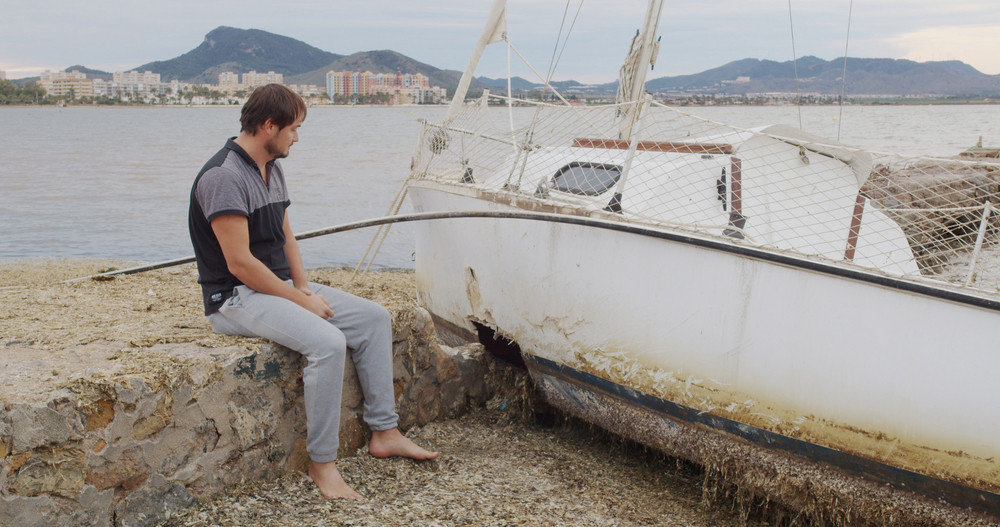
Recreational boating provides an ideal way to enjoy open waters, clear skies, and quality time with family and friends. From calm lakes to bustling coastal waterways, watercraft activities remain a favorite pastime across the country. However, the excitement of spending a day on the water can quickly transform into a crisis when collisions, capsizing, or sudden equipment failures occur. Maritime injuries often present distinct physiological and legal challenges that set them apart from standard land-based incidents. Understanding your rights, identifying liability, and knowing how to navigate the complex legal landscape with personal injury law firms following a watercraft incident are critical steps toward securing fair compensation and achieving financial recovery.
Operating a vessel requires constant vigilance, situational awareness, and strict adherence to safety protocols. When operators fail to exercise reasonable care, severe harm can occur. Several recurring factors contribute to watercraft incidents on lakes, rivers, and coastal waterways:
The kinetic force of a collision combined with the risks of water submersion makes maritime incidents particularly dangerous. Victims often face serious medical outcomes that demand immediate intervention and long-term rehabilitation. Traumatic brain injuries can occur when passengers are thrown against hard surfaces or tossed from the vessel during a sudden stop or collision.
Furthermore, spinal injuries, severe fractures, internal organ damage, and lacerations from propellers represent significant physical trauma. Secondary risks, such as near-drowning, hypothermia, and severe psychological distress, further complicate recovery. The financial burden of intensive medical treatment, specialized equipment, and ongoing physical therapy can quickly overwhelm an injured individual and their family, which is where personal injury law firms can help.
Establishing accountability after a watercraft incident involves determining which laws govern the specific body of water where the incident occurred. While inland lakes may fall primarily under state statutes, navigable waterways, coastal ocean waters, and interstate rivers often bring federal maritime regulations into play. Determining fault requires demonstrating that a party failed to exercise reasonable care under the circumstances.
Vessel operators owe a duty of care to their passengers, individuals on other craft, and swimmers sharing the water. Proving negligence requires showing that the operator breached this duty—such as by speeding through a no-wake zone or operating without proper safety light illumination—and that this failure directly caused the resulting injuries. In certain instances, property owners or commercial rental companies may also bear liability if they rent out damaged equipment or fail to provide adequate safety instructions. Experienced personal injury law firms systematically review accident reports, interview witnesses, and examine vessel maintenance records to establish these critical elements.
In many cases, opposing parties attempt to divide blame to minimize financial recovery. Depending on the jurisdiction, comparative fault rules may apply. Under these standards, an injured party’s final compensation package may be adjusted based on their assigned percentage of responsibility for the event. Personal injury law firms assist clients by presenting clear evidence that accurately reflects how the event unfolded, protecting victims from unfair allocations of fault.
While both types of incidents involve motorized transit and sudden impact, watercraft cases present unique challenges that do not exist in standard roadway cases. Vessels lack seatbelts, brakes, lanes, and traffic signals, making navigation reliant on constant manual monitoring and international or inland navigation rules. Additionally, gathering evidence on the water requires specialized approaches because skid marks do not exist, and physical evidence can quickly float away or sink.
The sheer volume of motor vehicle traffic on land highlights how common transportation-related injuries are across the nation. According to Clio, an average of more than 6,500 individuals sustain injuries in motor vehicle accidents each day. While maritime incidents occur less frequently than automobile crashes, the lack of structural protection on open boats often results in a disproportionate number of severe or catastrophic injuries per incident.
Sustaining harm on the water often impacts every dimension of a victim’s personal and professional life. A comprehensive claim seeks to restore the injured individual by securing compensation for both tangible financial losses and non-economic harm:
Because maritime insurance policies differ substantially from standard auto insurance policies, navigating coverage limits and policy exclusions can be complex. Knowledgeable personal injury law firms review all relevant insurance policies—including watercraft liability coverage, homeowner policies, and umbrella coverage—to identify every available path for financial compensation.
The actions taken immediately after a maritime incident significantly influence both personal safety and the viability of a future legal claim. Taking structured steps helps preserve vital information and protects legal rights.
First and foremost, render aid to anyone in danger and contact emergency personnel immediately. Seeking prompt medical attention creates an official record of all physical injuries, which serves as foundational evidence for future legal action. Furthermore, state and federal laws require operators to report incidents involving injury, loss of life, or significant property damage to local law enforcement or the state boating authority. Always ensure an official report is generated and request a copy for your records.
If physically able, document the scene as thoroughly as possible before evidence is lost or washed away. Recommended actions include:
Managing insurance negotiations while recovering from major physical harm creates unnecessary stress. Retaining professional representation helps level the playing field against insurance adjusters seeking to minimize payouts. Seasoned personal injury law firms handle all communications, conduct thorough investigations, consult maritime reconstruction experts when necessary, and build robust cases designed to achieve maximum recovery.
Navigating the aftermath of a recreational boating accident requires balancing immediate physical healing with long-term financial security. Maritime environments introduce unique legal questions regarding jurisdiction, navigation rules, and insurance coverage. By taking immediate medical action, gathering documentation, and working alongside skilled personal injury law firms, injured individuals can protect their rights and focus entirely on physical recovery. Understanding the available legal remedies ensures that victims of watercraft negligence do not have to carry the financial burden of another party’s careless actions alone. If you are struggling after a maritime accident, contact Maeder Law Firm today for legal help with your case.